Planning guide
Delivery, Setup and Pickup: How a Shirt Bar Rental Actually Arrives
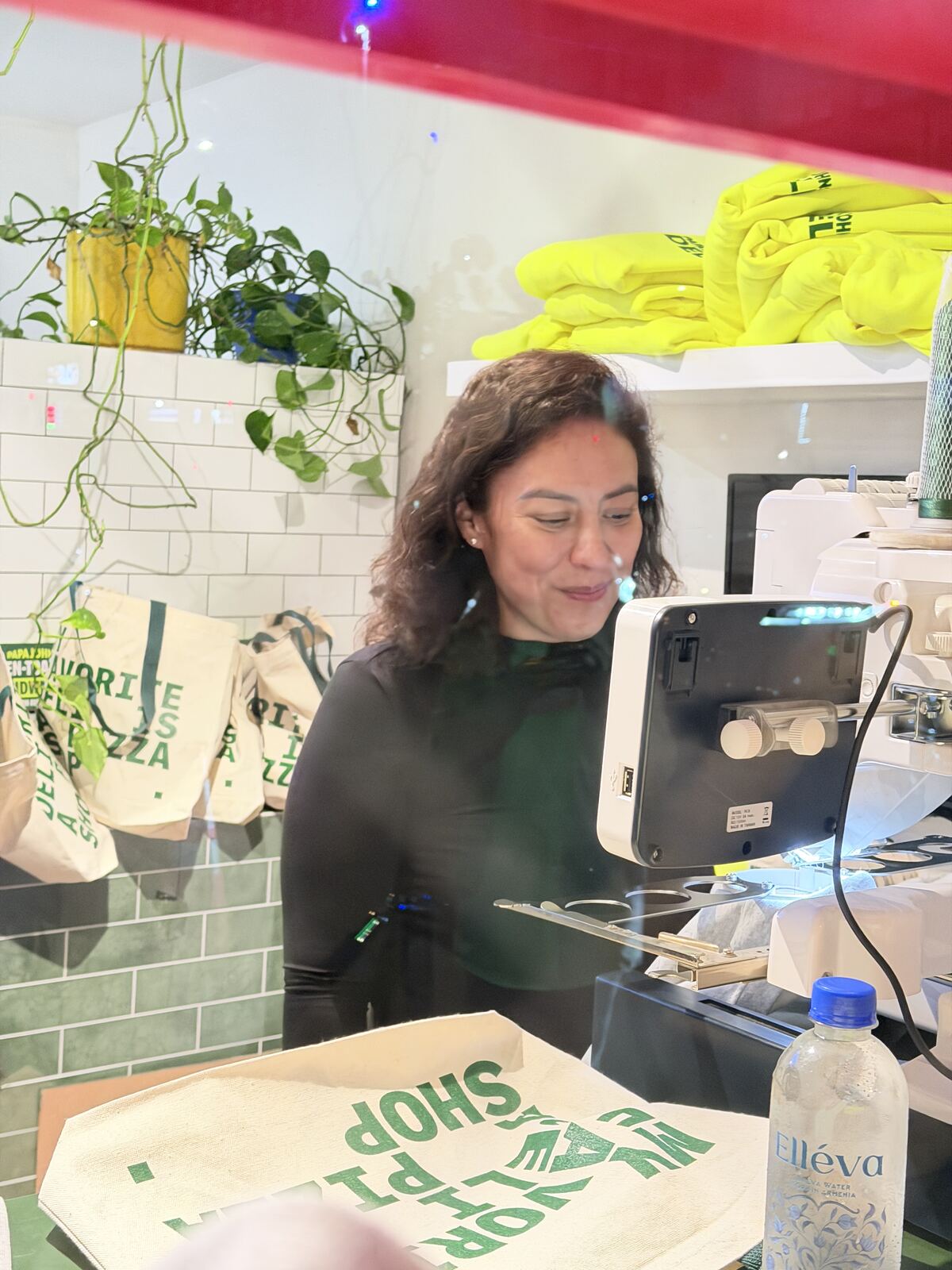
The word rental does a lot of misleading work in this category. Nobody drops a heat press in your ballroom and drives away. A shirt bar arrives as a crew, a vehicle, a build and a strike — which means shirt bar rental delivery setup and pickup logistics is mostly about the hours on either side of the party, and those are exactly the hours planners forget to reserve.
Here is the real shape of the day.
Crew and kit, not a drop-off
A single staffed station typically rolls in as two or three crew, one or two heat presses, a work table and a guest-facing counter, cases or a rolling rack of blanks sorted by size, a flat-boxed transfer library, cutting and weeding tools, a bin, and signage. It fits in a van; two or three stations want a box truck.
It is staffed for a straightforward reason. A press platen runs hot enough that it is not something you hand to guests, and a trained operator is what keeps a station near 60 to 90 finished pieces an hour instead of half that. If a vendor offers an unstaffed drop-off, the question worth asking is who carries the liability when someone leans on it.
An hour-by-hour for a 6 to 9 evening
- 3:00 — crew arrives, checks in with the venue contact, finds the drop point and the circuits.
- 3:15 to 4:15 — build. Tables set, presses powered, blanks sorted by size, signage up.
- 4:15 to 4:45 — presses come to temperature and the crew test-presses a sacrificial blank to dial time, temperature and pressure for that specific garment.
- 4:45 to 6:00 — buffer and briefing with your team.
- 6:00 — doors.
- 8:45 — last order taken, announced out loud, because the final press still has to run.
- 9:00 to 9:45 — strike. Presses cool before they go in cases.
Roughly three hours before and an hour after. A single station builds faster — 45 minutes is realistic — but the test press is not the step to cut, and it is always the one people try to cut. The important consequence: your venue contract has to cover the whole span, not just the event hours. Hotel overtime is billed by the hotel, and finding that out at 9:15 is an expensive way to learn it.
Space, tables and the depth nobody allows for
One station wants about 10 by 10 feet, with roughly 8 feet of that as counter frontage facing guests. Two six- or eight-foot tables is the minimum: one carrying the press, one for the counter and folded stock.
The dimension planners underestimate is depth. Crew need a back-of-house lane behind the press to weed transfers, fold and stage. Squeeze a station into six feet of depth and it becomes a bottleneck no amount of staffing fixes. Blanks on a rolling rack want another 3 by 3 nearby, ideally out of the guest sightline.
A few physical notes. Skip a tent indoors unless you have 10 to 12 feet of clearance. Presses are heavy and hot, so a mat under the station protects a hardwood floor and saves the crew’s backs. And put the station along a wall or in a corner near the drop point rather than mid-floor — a queue in a traffic lane creates two problems at once. If you are scaling past one, our post on how many stations you need does that math.
Seven questions to ask the venue
- Where does the vehicle unload, and can it stay there?
- Is the route to the room flat, stairs, or elevator — and what is the elevator door opening?
- What is the earliest we can get in, and the latest we must be out?
- How many dedicated 20-amp circuits are available at the station location? One per press. Not one shared between two.
- Is there a house electrician, or does the crew plug into wall outlets?
- If we are outdoors, what is the rain plan, and are stakes permitted or do we weight?
- Who is the on-site contact and what is their mobile number?
That last one rescues more evenings than the other six combined. Power is the one that actually stops a station, though — a crew can bring extension cords and a quad box, but nobody can conjure a circuit that is not there. Two presses sharing one 20-amp line will run fine through the quiet first hour and trip at peak. Get the circuit count onto the venue’s run sheet in writing.
Pickup, leftovers and the last fifteen minutes
Call last orders fifteen minutes before the station closes. It is a small thing and it prevents the awkward version where three people are still waiting while the crew is trying to pack.
Decide who owns the leftover blanks before the event. If you bought them, the crew folds and boxes them and hands them over at strike. If we supplied them, they go back and the count reconciles on the invoice. Leftover transfers are cheap and worth keeping if you have another date coming.
The one outcome to avoid is a pile of pre-printed shirts nobody claimed, which is the strongest argument for printing to order rather than printing ahead. Blank stock has a second life; a stack of printed larges in the wrong design does not. Our planning guide covers how that decision interacts with the rest of the order.
Frequently asked questions
How long does a shirt bar take to set up?
Plan on 45 to 60 minutes of build for a single station, plus time for presses to reach temperature and a test press on the actual blank. Crews normally arrive two to three hours before doors for a multi station build. Strike is another 45 to 90 minutes because presses have to cool before they go back in cases.
How much space and power does the station need?
About 10 by 10 feet for one station, with roughly 8 feet of counter frontage, plus one dedicated 20 amp circuit per heat press. Two presses sharing a single circuit will trip the breaker under sustained load. Give the venue the circuit count early so it lands on their run sheet.
Is a shirt bar staffed or is it a drop off rental?
Staffed, always. A press platen runs hot enough that it is not a self service product with guests around it, and a trained operator is what holds output near 60 to 90 pieces an hour. The rental covers crew, presses, transfers, setup and strike.
Send us the venue
Give us the room, the date and the hours and we will work the access and power questions with your venue directly, so the build is settled before anyone loads a truck. Booking runway is usually four to eight weeks. See pricing, call (562) 614-4800, or tell us about your event.
Reserve a date
Tell us about your event once.
Turn the plan into a booking. Send your event details for a quote within a business day.
(562) 614-4800 · contact@merchtroop.com